How do you compare AI agent frameworks in 2026?
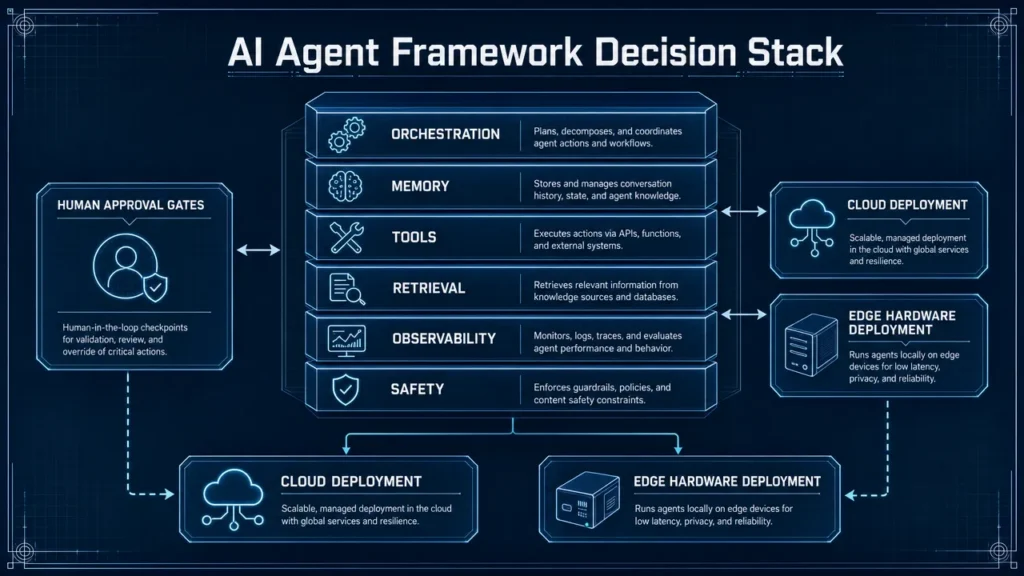
The best way to compare AI agent frameworks in 2026 is to rank them by production control, model flexibility, observability, governance, RAG capability, and deployment fit rather than by popularity alone. A framework that is perfect for a fast prototype can be risky for a regulated workflow, while a production-grade graph runtime may be unnecessary for a simple research assistant.
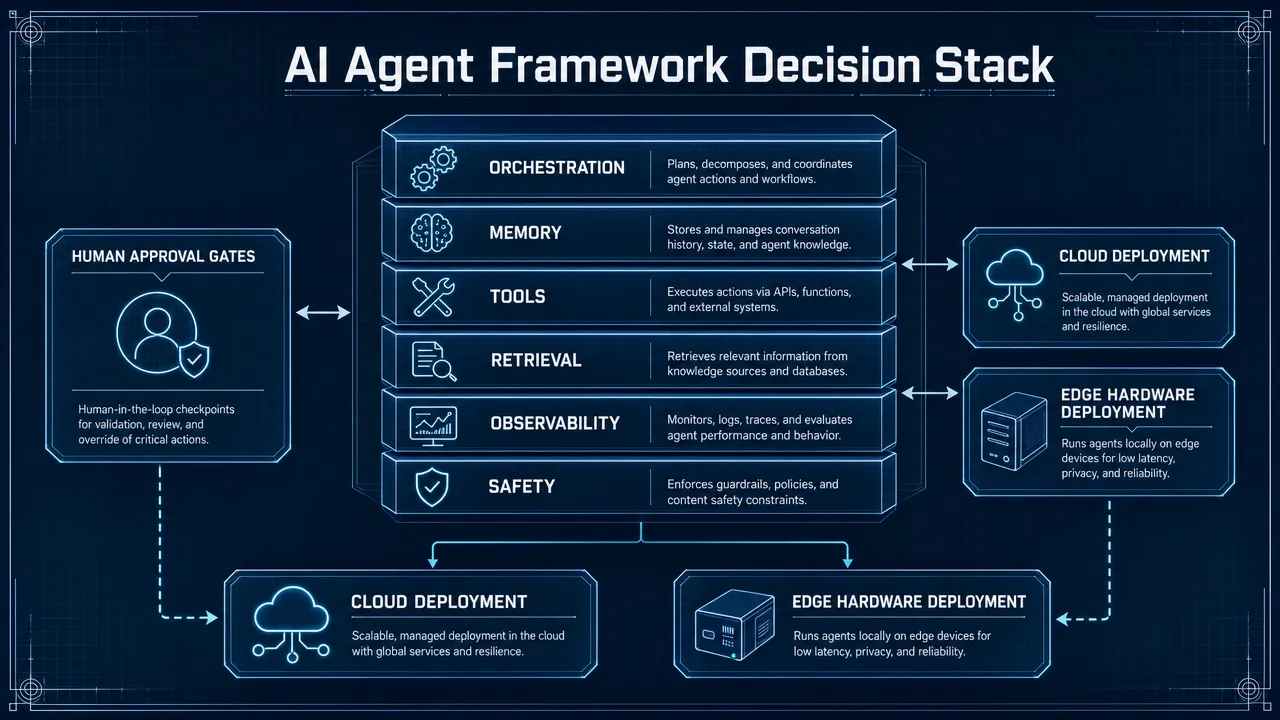
For aidenai.io, this matters because AI agent hardware and software are converging. Teams are no longer choosing only a Python library. They are choosing the runtime pattern that will determine latency, cost, traceability, permissions, human oversight, and whether agents can eventually run across cloud, on-prem, edge, or device-integrated environments.
How the best AI agent frameworks 2026 should be evaluated
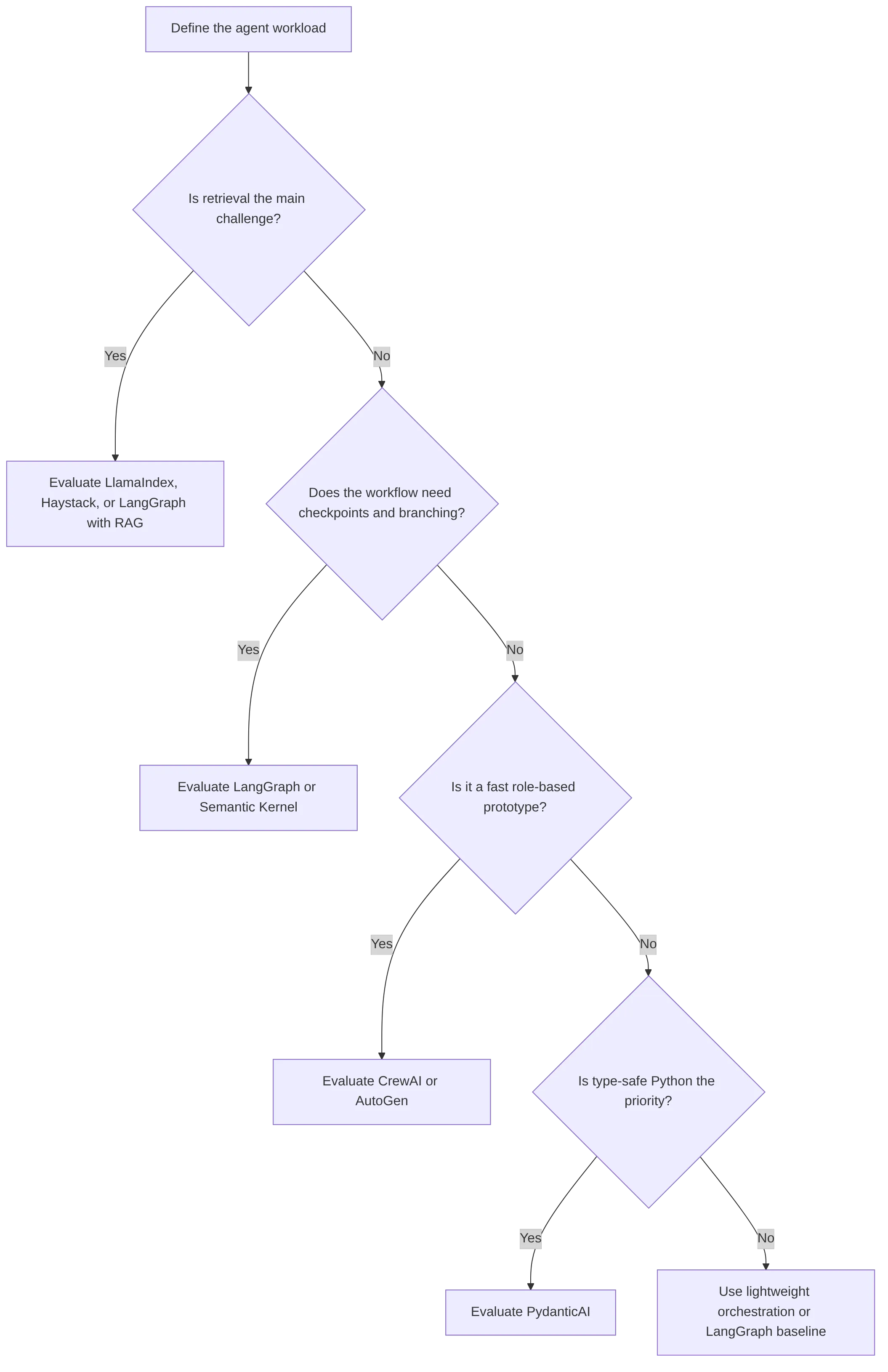
The best AI agent frameworks 2026 should be evaluated with a practical scoring model: what the agent must do, how much control the team needs, and where the workload will run. A useful AI agent framework comparison starts with architecture, not hype.
An AI agent framework is an orchestration layer that helps models plan steps, call tools, retrieve data, maintain state, coordinate with other agents, request human approval, and log what happened. In 2026, that means the framework must support more than a chat loop. It must help teams manage failure, cost, permissions, evaluation, and deployment.
Use these criteria before selecting a stack:
| Criterion | What to check | Why it matters |
|---|---|---|
| Production readiness | State, retries, checkpoints, error recovery | Agents fail in long-running workflows unless control is explicit |
| Model flexibility | Support for multiple LLM providers and local models | Reduces lock-in and enables cost routing |
| RAG support | Retrieval, document connectors, grounding, citation patterns | Enterprise agents often need private knowledge |
| Observability | Traces, tool logs, token usage, evaluation hooks | Debugging agents without traces is expensive |
| Multi-agent support | Role-based teams, handoffs, graph patterns | Useful for research, coding, support, and operations |
| Security and governance | Permissions, human approval, audit logs | Required for regulated or high-impact workflows |
| Deployment fit | Cloud, on-prem, edge, hardware-aware execution | Latency, privacy, and cost depend on runtime location |
A practical shortlist starts with LangGraph documentation for stateful orchestration, CrewAI documentation for role-based multi-agent prototyping, Semantic Kernel documentation for Microsoft-aligned enterprise applications, LlamaIndex documentation and Haystack documentation for agentic RAG, and PydanticAI documentation for type-safe Python agents.
Best AI agent frameworks 2026 comparison by use case
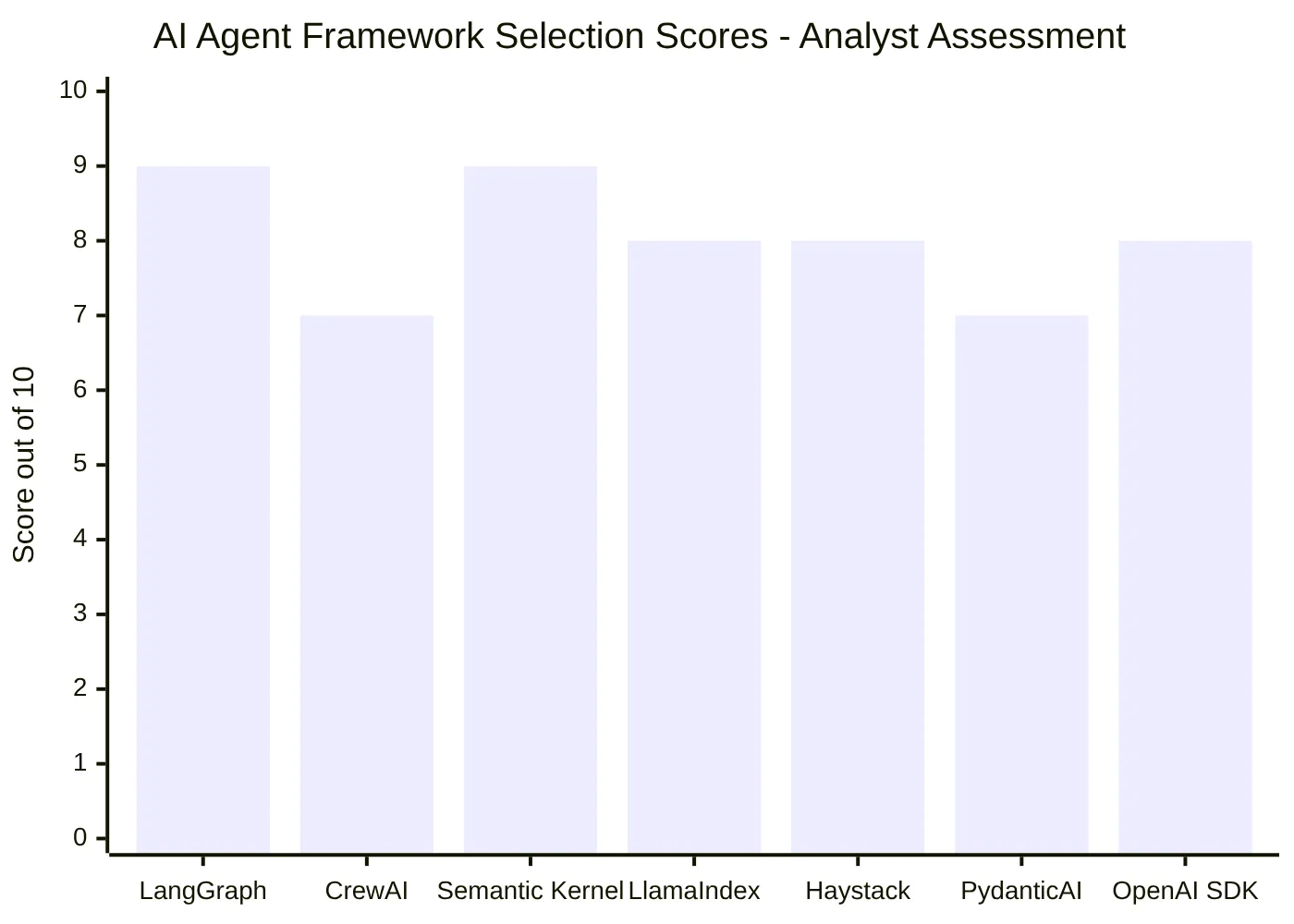
The best AI agent frameworks 2026 list changes by workload. LangGraph is often the strongest default for complex production systems because it models agents as state graphs with explicit nodes, edges, memory, checkpoints, and human-in-the-loop paths. It is not always the easiest framework, but it gives engineering teams a clearer way to control branching workflows.
CrewAI is different. It is strongest when the workflow feels like a team: researcher, analyst, writer, reviewer, sales assistant, or operations coordinator. For many startups and product teams, CrewAI vs LangChain comes down to speed versus control. CrewAI is faster to explain and prototype. LangChain and LangGraph offer deeper orchestration and richer production patterns through the broader LangChain docs.
Semantic Kernel is a strong option for enterprise teams already aligned with Microsoft, Azure, C#, Java, or Python service architectures. AutoGen remains relevant for multi-agent conversation research and prototypes, but teams should verify current roadmap and support before choosing it as a greenfield production foundation. LlamaIndex and Haystack are better when the central problem is not autonomy but grounded retrieval over documents, databases, and enterprise knowledge.
| Use case | Strong candidates | Recommendation |
|---|---|---|
| Production-grade stateful agents | LangGraph, Semantic Kernel | Prioritize checkpoints, state, auditability, and recovery |
| Fast multi-agent prototypes | CrewAI, AutoGen | Use for role-based workflows and early validation |
| Agentic RAG | LlamaIndex, Haystack, LangGraph | Start with retrieval quality and grounding |
| Type-safe Python apps | PydanticAI | Favor structured outputs and validation |
| Prompt and program optimization | DSPy | Use as an optimization layer, not a full runtime |
| Hardware-integrated AI agents | LangGraph, Semantic Kernel, custom runtimes | Optimize for latency, permissions, and deployment location |
For open source AI agent frameworks, LangChain/LangGraph, CrewAI, AutoGen, Semantic Kernel, LlamaIndex, Haystack, PydanticAI, DSPy, MetaGPT, AutoGPT, TaskWeaver, and SuperAGI all deserve consideration. The best autonomous AI agents, however, are rarely the most unconstrained. The safest production agents are usually bounded by permissions, approvals, logs, and deterministic workflow paths.
Best AI agent frameworks 2026 for CrewAI vs LangChain decisions
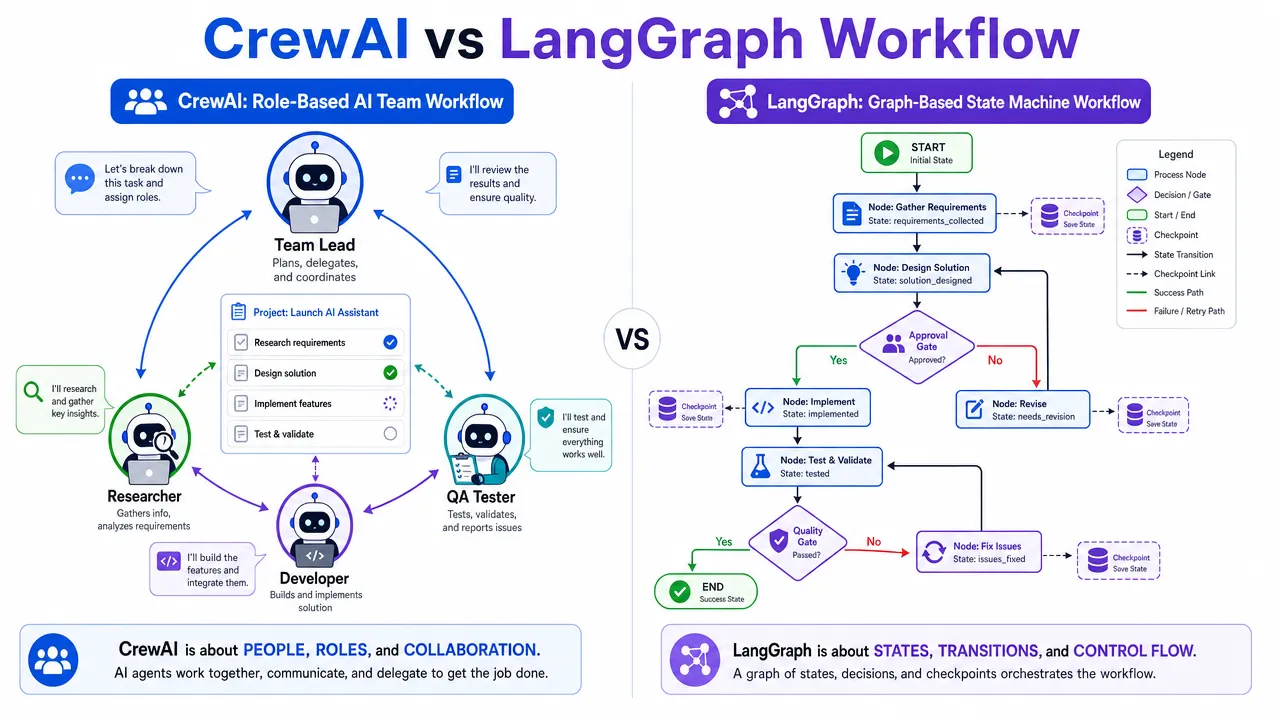
The best AI agent frameworks 2026 discussion often narrows to CrewAI vs LangChain, but the more precise comparison is CrewAI vs LangGraph. CrewAI asks, "Which AI roles should collaborate on this task?" LangGraph asks, "Which state machine should control this workflow?"
Choose CrewAI when the workflow is easy to describe as a team process. Research briefs, content pipelines, sales preparation, market analysis, and operational summaries fit this model well. The abstractions are readable, and the learning curve is lower.
Choose LangGraph when reliability matters more than speed. Long-running workflows, approval steps, retries, branching, tool failures, and audit requirements are easier to reason about when the agent is represented as an explicit graph. LangGraph is especially useful when human review must be inserted before an agent sends an email, changes a record, runs code, or triggers an external system.
For regulated, customer-facing, or infrastructure-sensitive agents, the framework should support human-in-the-loop controls, scoped tool permissions, trace storage, and repeatable evaluations. The NIST AI Risk Management Framework is a useful reference for risk thinking, while the EU AI Act implementation timeline shows why documentation, oversight, and traceability are becoming architectural requirements.
Best AI agent frameworks 2026 and the model ecosystem
The best AI agent frameworks 2026 cannot be separated from model strategy. The best LLM for coding 2026 depends on the task: repo-level refactoring, secure code review, test generation, UI work, data analysis, or long-context debugging. A model that performs well on one coding benchmark may not be best for latency-sensitive tool use or private on-device execution.
Claude 3.5 vs GPT-4o remains a useful historical comparison because it captures two earlier strengths: coding and reasoning on one side, multimodal speed and assistant UX on the other. But 2026 architecture should not be based only on that older comparison. Teams should run current evaluations against their own repositories, tools, documents, and risk constraints.
Latest AI model releases, OpenAI news 2026, Google AI news 2026, and AI news today 2026 all influence framework decisions, but production teams should avoid rebuilding architecture every time a model leaderboard changes. Model routing is the more durable pattern: use stronger frontier models for hard reasoning, cheaper models for routine extraction, local models for privacy-sensitive tasks, and specialized coding models for high-volume development work.
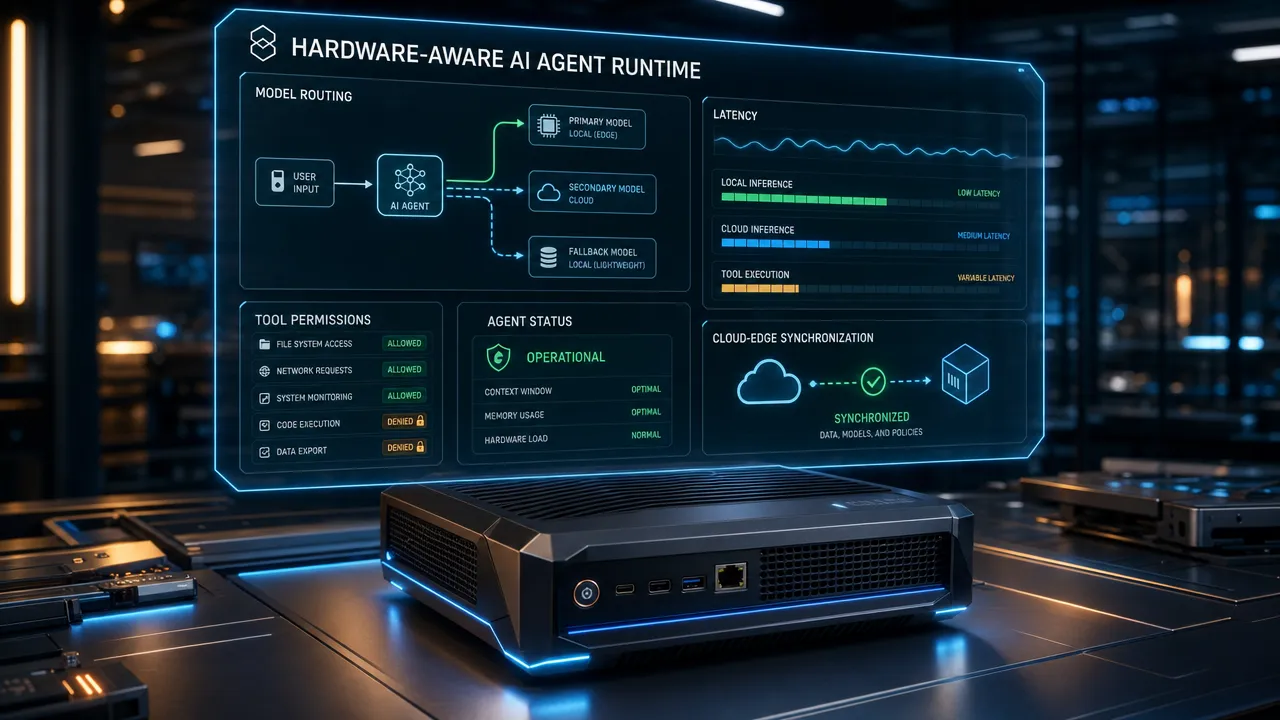
MCP, described in the Model Context Protocol documentation, is important because it points toward a more interoperable future. Instead of every agent framework building custom integrations for every tool and data source, protocols can standardize how agents connect to resources. That matters for the future of AI agents 2026 because tool access, permissions, and context boundaries are now part of the agent runtime.
Best AI agent frameworks 2026 for coding, productivity, and writing workflows
The best AI agent frameworks 2026 are also shaped by developer tools. Cursor vs GitHub Copilot 2026 is not just an editor debate. It shows how coding assistants are becoming coding agents: autocomplete becomes chat, chat becomes multi-file edits, multi-file edits become repo-aware task execution, and eventually agents connect to tests, code review, CI/CD, and documentation systems.
For coding agents, evaluate:
| Evaluation area | What to test |
|---|---|
| Repo understanding | Can the agent follow project structure and dependencies? |
| Tool safety | Can it run commands in a sandbox with scoped permissions? |
| Test behavior | Does it create, run, and interpret tests correctly? |
| Review quality | Can it identify security, performance, and maintainability risks? |
| Cost per completed task | Does the agent save time after retries and review are included? |
The same distinction applies to best AI writing tools 2026 and best AI productivity tools 2026. End-user tools may feel like agents, but frameworks are the infrastructure underneath. A writing tool can draft a campaign. An agent framework can orchestrate research, retrieval, drafting, review, approval, and publishing permissions. A productivity tool can summarize a meeting. An agent system can connect that summary to CRM updates, support tickets, project tasks, and compliance logs.
AI agent trends 2026 point toward more grounded, more observable, and more deployment-aware systems. Agentic RAG is becoming mainstream. Multi-agent workflows are becoming more practical. Browser and computer-use agents are expanding, but they require strict safeguards. On-device and edge agents are gaining attention because privacy, latency, and inference cost matter. For an AI agent hardware and software technology company such as aidenai.io, the important narrative is clear: agent software decisions increasingly depend on runtime infrastructure.
Best AI agent frameworks 2026 final recommendation
The best AI agent frameworks 2026 choice should follow a simple rule: use the lightest framework that still gives your team enough control, observability, and governance for the workload.
Use LangGraph when production state control is the priority. Use CrewAI when role-based multi-agent prototyping speed is the priority. Use Semantic Kernel when Microsoft ecosystem alignment matters. Use LlamaIndex or Haystack when retrieval and private knowledge are central. Use PydanticAI when type-safe Python development and structured validation matter. Use DSPy when optimization and evaluation of LM programs are more important than runtime orchestration.
For enterprise and hardware-aware deployments, do not stop at feature lists. Test the complete agent loop: model call, tool call, retrieval, approval, logging, failure recovery, cost, latency, and deployment environment. The winning framework is the one that keeps the agent useful when the demo becomes a real system.
Explore how AI agent software and hardware infrastructure can work together to support reliable, secure, and scalable agent deployments with a framework strategy that fits the workload rather than the trend cycle.
Related posts
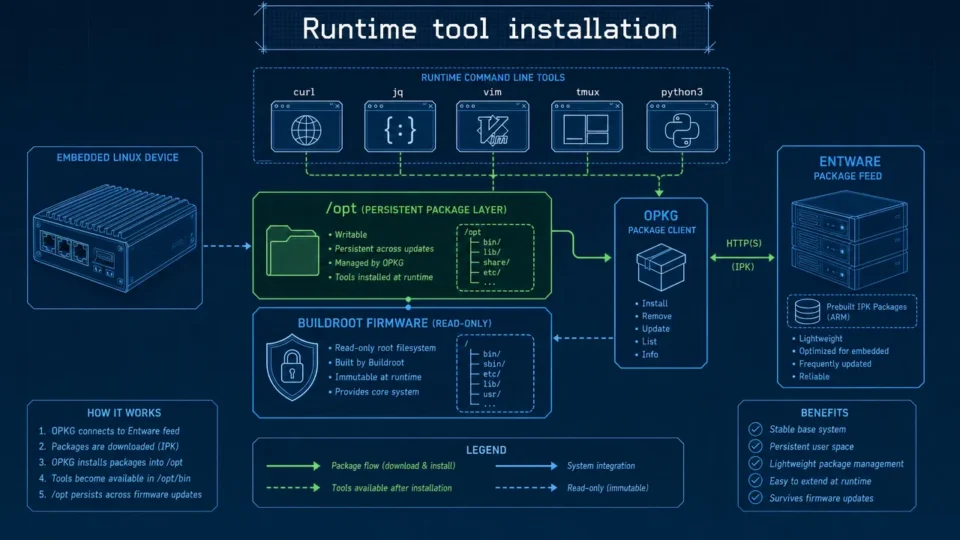
Embedded Package Management Without Rebuilding Firmware
Embedded package management in Aiden Firmware uses OPKG and Entware to install approved tools at runtime while keeping Buildroot stable.
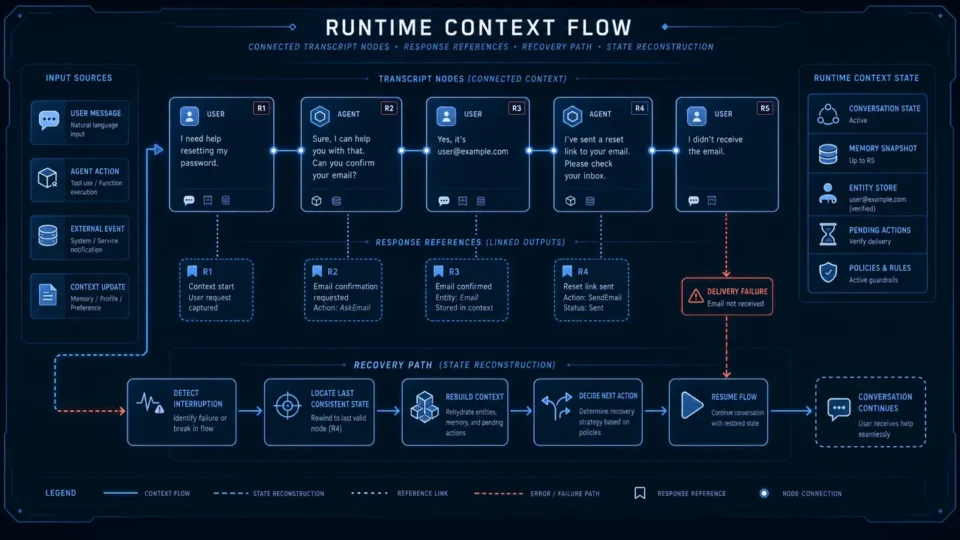
Aiden Adds Responses API Context Recovery and Anthropic Stream Support
AI agent context recovery in Aiden adds API selection, truncation controls, and local transcript rebuilds for expired references.
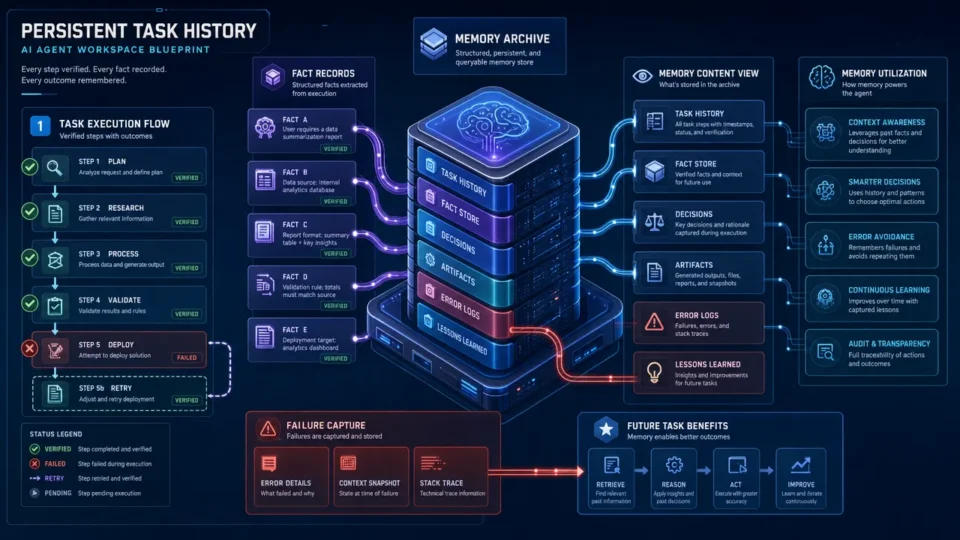
Aiden Builds Persistent Memory for Tasks and Notifications
AI agent task memory uses verified history and notification recall to reduce context loss across long-running work with lifecycle rules.