Aiden Builds Persistent Memory for Tasks and Notifications
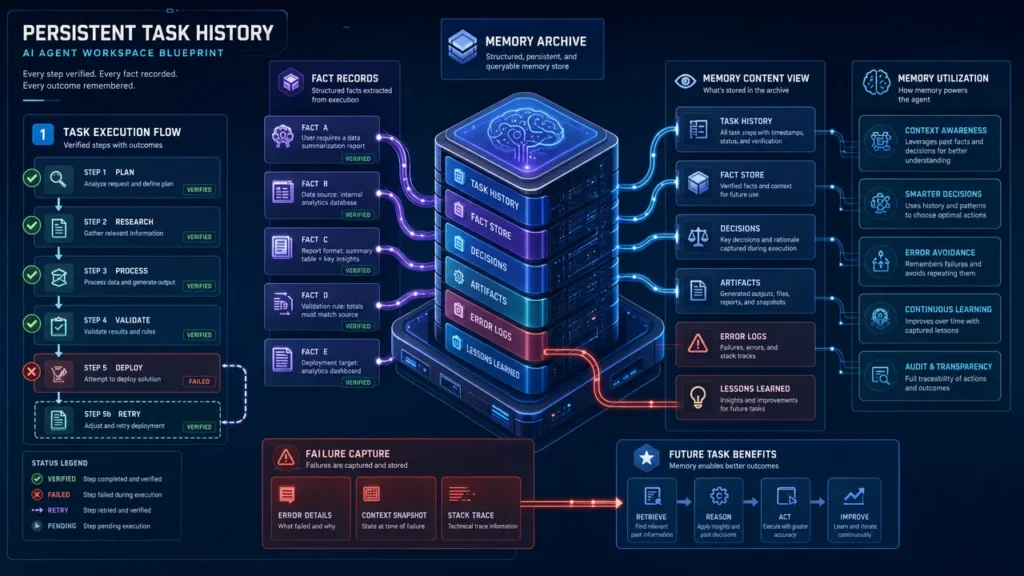
Major Update: Aiden has merged a coordinated firmware series that gives the Agent managed persistent memory for verified task history and notifications, reducing the context loss that slows long-running work. The update spans storage, extraction, merging, conflict handling, recall, cleanup, crash recovery, idempotent writes, deduplication, and end-to-end benchmark coverage across Episode memory and notification flows. You can continue related work with verified history instead of repeating prior explanations, and search relevant notification information instead of manually sorting through duplicates.
How notification memory changes task continuity
The merged firmware work enables the Agent to recall verified task steps, facts, and failure records in later tasks. That is a concrete advance for AI agent task memory: when follow-on work depends on known outcomes, the Agent has a managed path to bring verified history back into the task.
For you, the benefit is less reconstruction. Rather than restating why an earlier approach failed, which facts were established, or which steps already completed, you can continue from retained context when it is relevant. This is especially meaningful for long-running agent tasks that move across distinct sessions or phases of work.
This capability is part of a coordinated set of merged changes, tracked in PR #524, PR #548, PR #550, PR #563, PR #562, PR #561, and PR #571. The firmware should be understood as a system-level update, not as a collection of isolated features assigned to individual pull requests.
How notification memory improves retrieval
The Agent can query relevant notification information through recall_memory. Instead of manually reviewing a stream that may include duplicates, you can search for the notification context that matters to the task at hand.
The firmware also includes notification deduplication and supports temporary and long-term memory paths. This is not simply about retaining more events. It is about managing notification information so the Agent can retrieve relevant records through a defined memory flow. The audited work includes an end-to-end benchmark for this path, without published benchmark figures or claims about coverage.
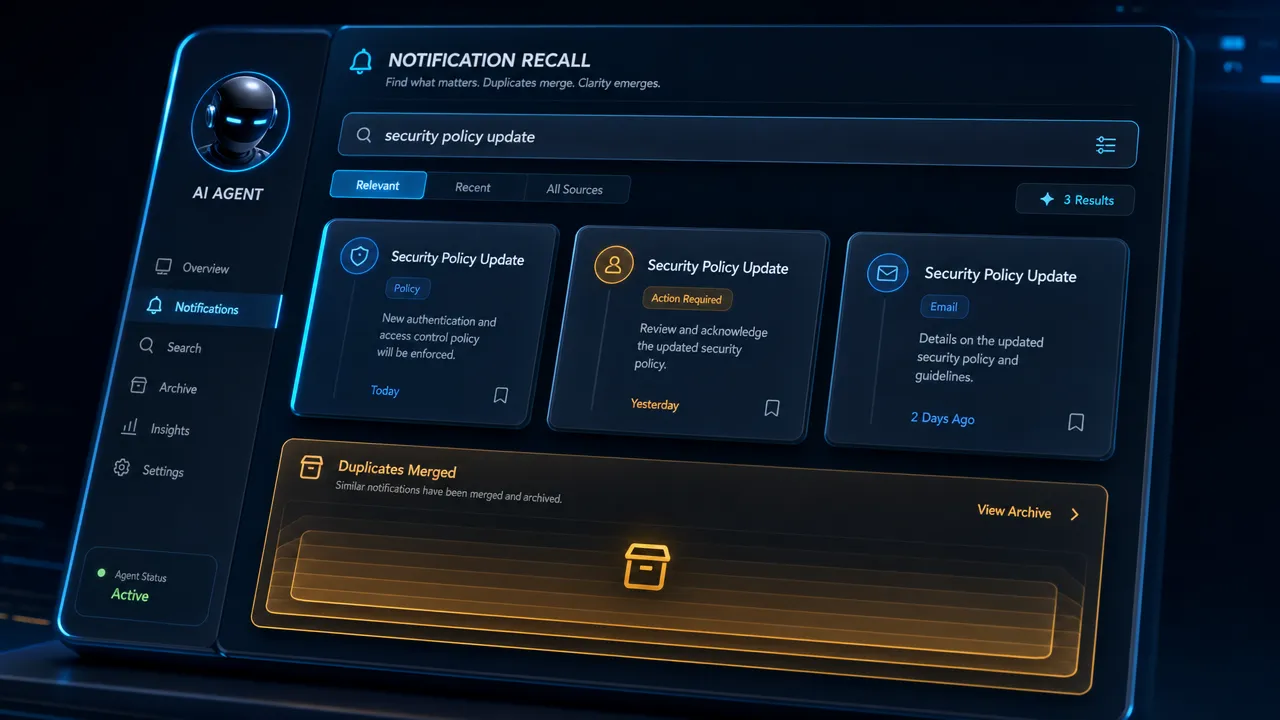
For automation developers, the operational difference is direct: you can search relevant notification information rather than scan repeated notices by hand. The Agent can use recall as part of later work, while storage remains subject to lifecycle handling rather than treating every incoming notice as permanently retained.
How notification memory applies lifecycle and conflict rules
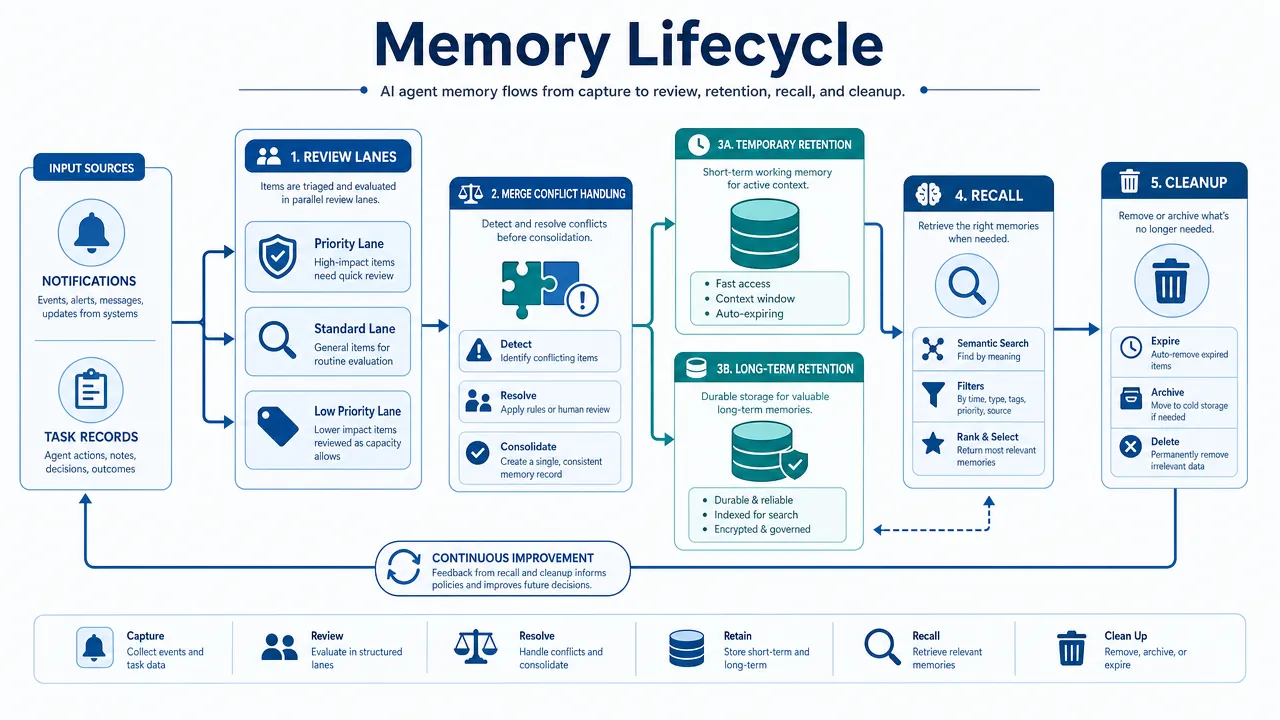
Memory handling now includes managed merging, conflict handling, cleanup, and temporary-versus-long-term treatment. New information is not presented as an unconditional append to an ever-growing record. The storage system has lifecycle and conflict rules for how memory items are handled across Episode memory and notifications.
The merged work also includes crash recovery and idempotent-write considerations. These additions strengthen the memory path around interrupted or repeated operations, but they are not a claim that every interruption is recovered or that duplicates can never occur.
The current audited behavior establishes managed continuity and retrieval for verified records. It does not establish complete capture of notifications, exhaustive recall in every task, indefinite retention, or automatic conversion of every notification to long-term storage. Broader capabilities remain future product direction, not a claim of this firmware update.
Where notification memory work continues
This release moves Aiden’s firmware forward by making task history and notifications more usable across later work while keeping the boundaries clear. The Agent can recall verified steps, facts, failure records, and relevant notification information within the audited scope. You gain a more practical way to resume work and find context without rebuilding it from scratch.
Follow the Aiden firmware repository for the merged implementation and ongoing work, and join the Aiden Discord community to discuss the update with other builders.
Related posts
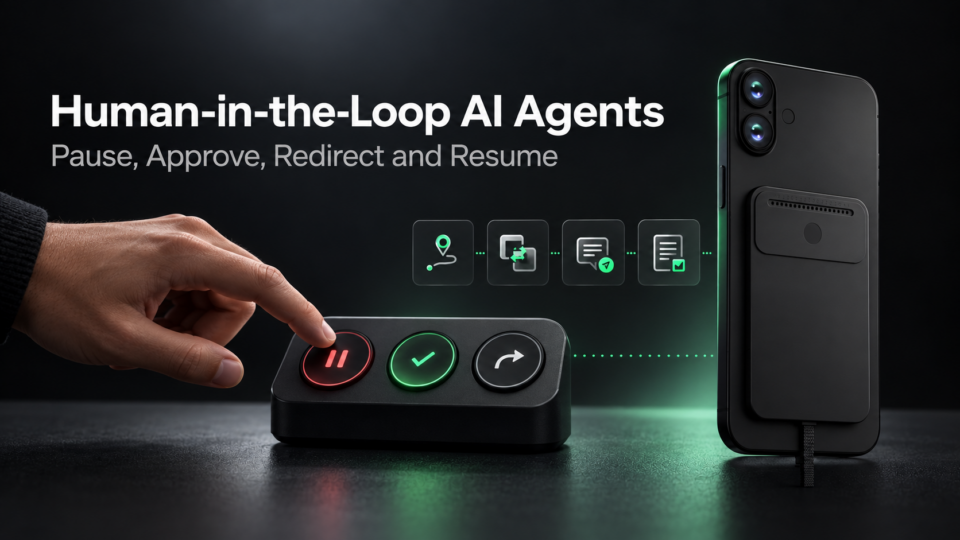
Human-in-the-Loop AI Agents: Pause, Approve, Redirect and Resume
Interruptible AI agent design uses preemption, task cancellation, and context control to keep physical AI actions redirectable.
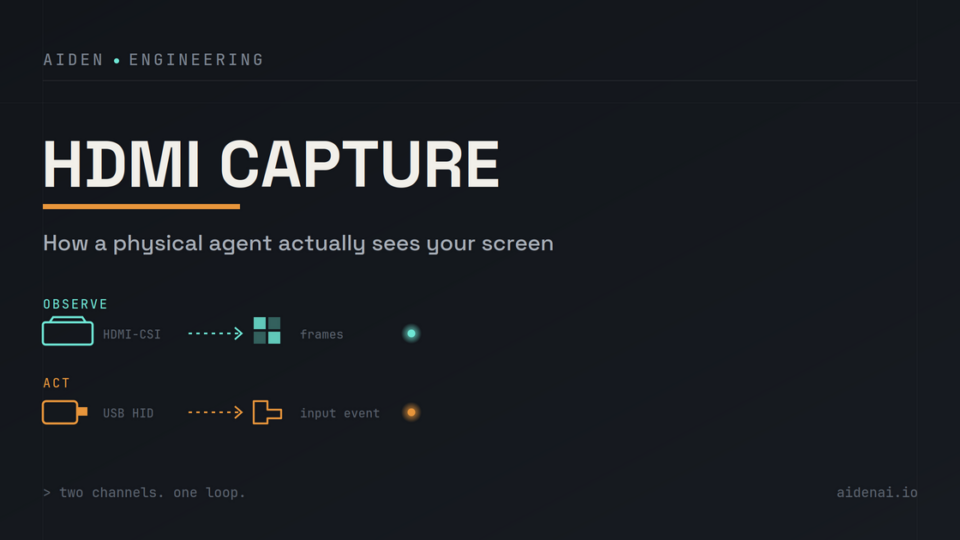
HDMI Capture for AI Agents: Out-of-Band Vision, Latency and Trade-Offs
HDMI capture for physical AI agents: observe rendered screens, send separate USB HID input, and verify UI changes after actions.
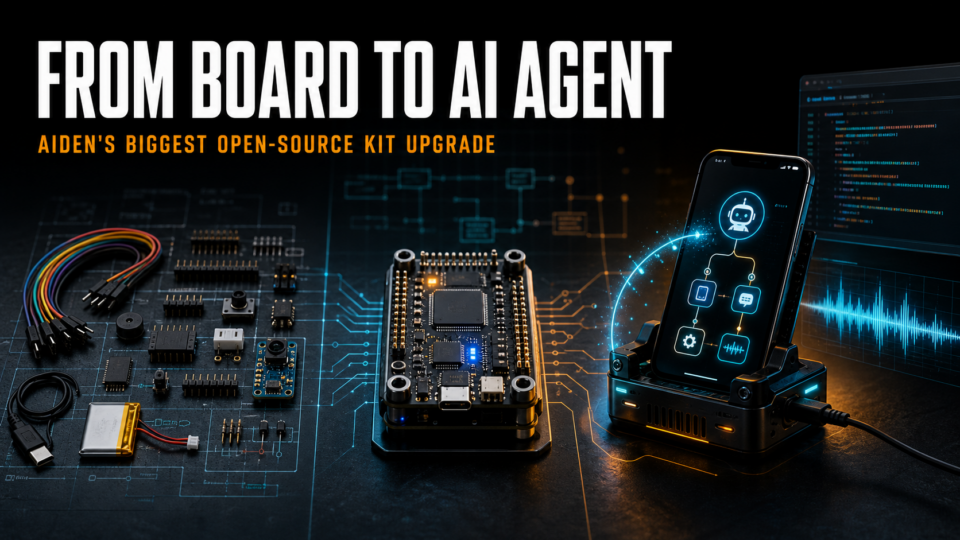
Aiden Open-Source Kit: From Setup to AI Agent
Build an AI agent hardware device with Aiden’s open-source firmware, HDMI capture, USB HID controls, and approval gates for safe workflows.